30+
Years Of Experience


Safe Connections for Every Fuel Appliance
Gas Line Installation and Repair in Tecumseh for homes using natural gas or propane-fueled equipment
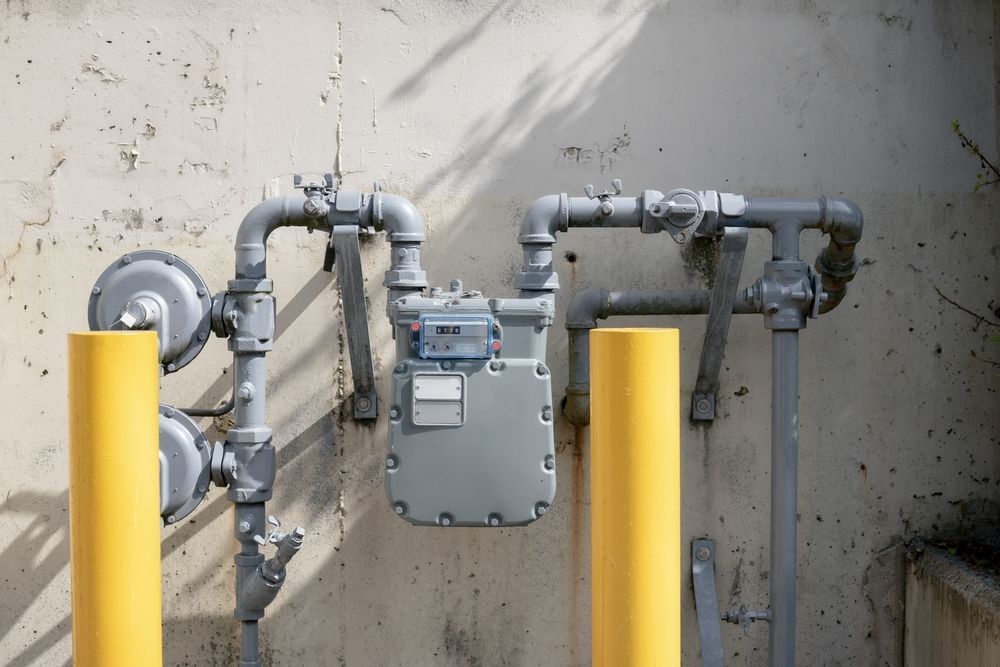
Garner Heating And Cooling LLC provides gas line installation and repair in Tecumseh, handling connections for furnaces, water heaters, dryers, ranges, and other household equipment that relies on natural gas or propane. Gas-related work requires careful measurement, proper joint sealing, and attention to pipe routing that prevents strain on connections over time. Homeowners in properties with aging lines or those adding new appliances need installation handled by licensed professionals who understand how gas systems interact with ventilation and existing utility configurations.
Gas line work involves sizing pipe diameter to match appliance demand, selecting materials appropriate for the installation environment, and securing fittings that remain stable through temperature changes and minor structural movement. When repair is needed, the technician isolates the affected section, determines whether the issue stems from corrosion, mechanical damage, or failed joints, and replaces compromised segments rather than applying temporary patches. In older homes across southeastern Michigan, galvanized steel lines sometimes develop leaks at threaded connections where dissimilar metals have been joined, requiring replacement with properly matched materials.
Schedule an evaluation to review gas line needs before adding appliances or addressing existing concerns.
What Proper Gas Line Work Requires
Gas line installation begins with confirming appliance specifications and calculating total system load to determine whether existing service capacity can support additional equipment. The technician routes pipe to avoid contact with electrical wiring and structural elements that could transfer vibration, then secures the line with hangers spaced to prevent sagging. Each joint receives thread sealant rated for gas service, and connections are tightened to manufacturer torque specifications before the system is pressurized and leak-tested using a soap solution or electronic detector.
After installation, the gas flows consistently to the appliance, burners light reliably without delayed ignition, and there is no odor indicating leakage at valves or fittings. Properly installed lines remain stable through seasonal temperature swings, and accessible shutoff valves allow safe appliance servicing. Garner Heating And Cooling LLC approaches each installation with the understanding that gas work tolerates no shortcuts, applying more than thirty years of field experience to every connection and joint seal.
Repair work addresses corrosion, physical damage from impact or settling, and deteriorated fittings that develop slow leaks. The affected section is removed, and replacement pipe is cut, threaded if necessary, and fitted with new valves that allow future isolation. Testing verifies that pressure remains stable and no leaks appear at new or adjacent joints.
What Homeowners Usually Ask
Homeowners preparing for gas appliance installation or facing line issues often have questions about materials, safety, and what the work involves.
What materials are used for residential gas lines?
Black steel pipe is standard for indoor installations, with flexible corrugated stainless steel tubing used in some appliance connections where code permits. The choice depends on appliance location, accessibility, and local regulations that govern installation methods.
How is a gas line tested after installation?
The line is pressurized above operating pressure and monitored for pressure drop over a set period. A soap solution or electronic detector is applied to every joint and connection to confirm no leaks exist before the appliance is connected and commissioned.
When should gas lines be inspected?
Inspection is recommended before purchasing a home with gas service, when adding new appliances, after any construction work near existing lines, or if you notice a sulfur-like odor near gas equipment. Homes in Tecumseh with original gas installations from several decades ago benefit from periodic professional review.
What causes gas line leaks?
Leaks develop from corrosion in older steel pipe, mechanical damage during renovation, improperly sealed threaded joints, and vibration that loosens fittings over time. Any suspected leak requires immediate professional attention and temporary shutoff at the meter.
Can existing gas lines support additional appliances?
Capacity depends on pipe diameter, total system length, and combined appliance demand measured in BTUs. A technician calculates load and determines whether the current line size can safely deliver adequate gas flow without pressure drop that affects appliance performance.
Garner Heating And Cooling LLC is licensed, insured, and family-operated, bringing detailed knowledge to every gas line project. Request an installation quote or repair evaluation to address your specific equipment needs.